Advisor Perspectives welcomes guest contributions. The views presented here do not necessarily represent those of Advisor Perspectives.
Who knows how long we’ll be analyzing and interpreting the COVID-19 crisis? In addition to the health emergency, our culture and economy have been put on hold to wait out what’s happening.
But not everything you hear is bad news.
Some companies have pivoted to put their bystanding technology and employees to work through innovation. One of my favorite examples is Anheuser Busch, who put equipment to use producing hand sanitizer. Google made Hangouts Meet available for free for remote work; fashion designer Christian Siriano put his team to work sewing masks for nurses.
Companies that know themselves well and are doing those acts of service and collateral will further their marketing, no doubt. They know their potential and capabilities and have pivoted quickly to fill a need and keep their employees busy.
Do you know your firm that well?
If pressed, do you know what you do best, among the full catalog of what you have available?
Are those services being used by clients and serving your overall vision?
Answering those inventory questions clearly will help your firm become leaner and more confident in the future.
The issue and the moment
I’ve noticed in my professional life as a business owner that I have a bias toward the newer things my company offers. Whatever shiny new service or up-to-the-minute technology we offer takes up all our peripheral vision. We might lose sight of some of our continuing strengths and everyday activities that are central to our identity.
We find ourselves at a breath-holding standstill. Even advisory services that can be done via phone and videoconferencing during quarantine will slow down just like everyone else.
This can be a time for suffocating anxiety or it can be a time for reflection – we might as well get to work.
Do an inventory
My charge for you is to do an advisory-firm inventory of all you offer and do for your clients. Have your subject matter experts gather (video-conference or otherwise) and nail down on paper what you do and what makes you unique. Use a cloud-based document collaboration software (Google docs is my go-to) that all of you can work on together, and write out everything you do.
These are the feature sets for everything you do. For example, if you provide billing solutions, what does that entail? Billing in advance or arrears, average daily balance, period ending value, flat, linear, tiered, or monthly or quarterly breakdown, payouts to other people – what does that look like? Detail it all out and indulge your inner bean-counter.
Bring that together and you have a catalog for everything you offer, which is a tremendously valuable asset in itself. I’m not suggesting you plunk a huge catalog down on the table in front of your clients, but it gives you a familiarity with your services that makes you conversant – and brings it all top-of-mind.
What are we using?
Any deep clean will bring you across items and instruments you aren’t using that are taking up space on the shelf. This is why there’s a line at the Goodwill donation window!
Your next step is to do an honest, numbers-driven assessment of which services and tools are being used by your clients. In the billing example, check to see how many clients are using a particular billing method. If you’re doing a lot of one-off work to handle exceptions, it is a great prompt to see what can be done to make your overall process more uniform.
Explore your other lines of service or offerings.
How many people are doing financial planning with us?
How many are doing advanced planning with us?
This gives you priceless clarity on where you need to put time and energy in the future, as well as what can go away.
Substep: What are we promoting?
This evaluation can also tell you not only what’s not catching on, but what you haven’t promoted well enough. I’ve been in the wealth management and fintech industry long enough to see companies come up with a great idea and then misstep when it comes to driving the adoption of it. They end up with an underutilized or unknown product, but it’s not a matter of quality or functionality.
Marketing in the future
Let’s segue to an important step: How your marketing should change in the future. You’ve done your advisor firm inventory, looked at what you do best, and investigated what people are most using. Now put that data to work for you.
If clients are using your planning services more than anything else, you likely need to better reflect that in what you communicate. If you are adding value in your asset management, consider how you can better drive adoption by creating a weekly market commentary. If you provide technology, show creative ways that your clients are using it to help other users better utilize what you have already built and deployed.
This slowdown can become a stressor or a learning experience – it is up to you. Evaluating what you do and what you do best is one way to make use of the time that will pay off in the future. So roll your sleeves up, tie your hair back, and get a better handle on what you already deliver.
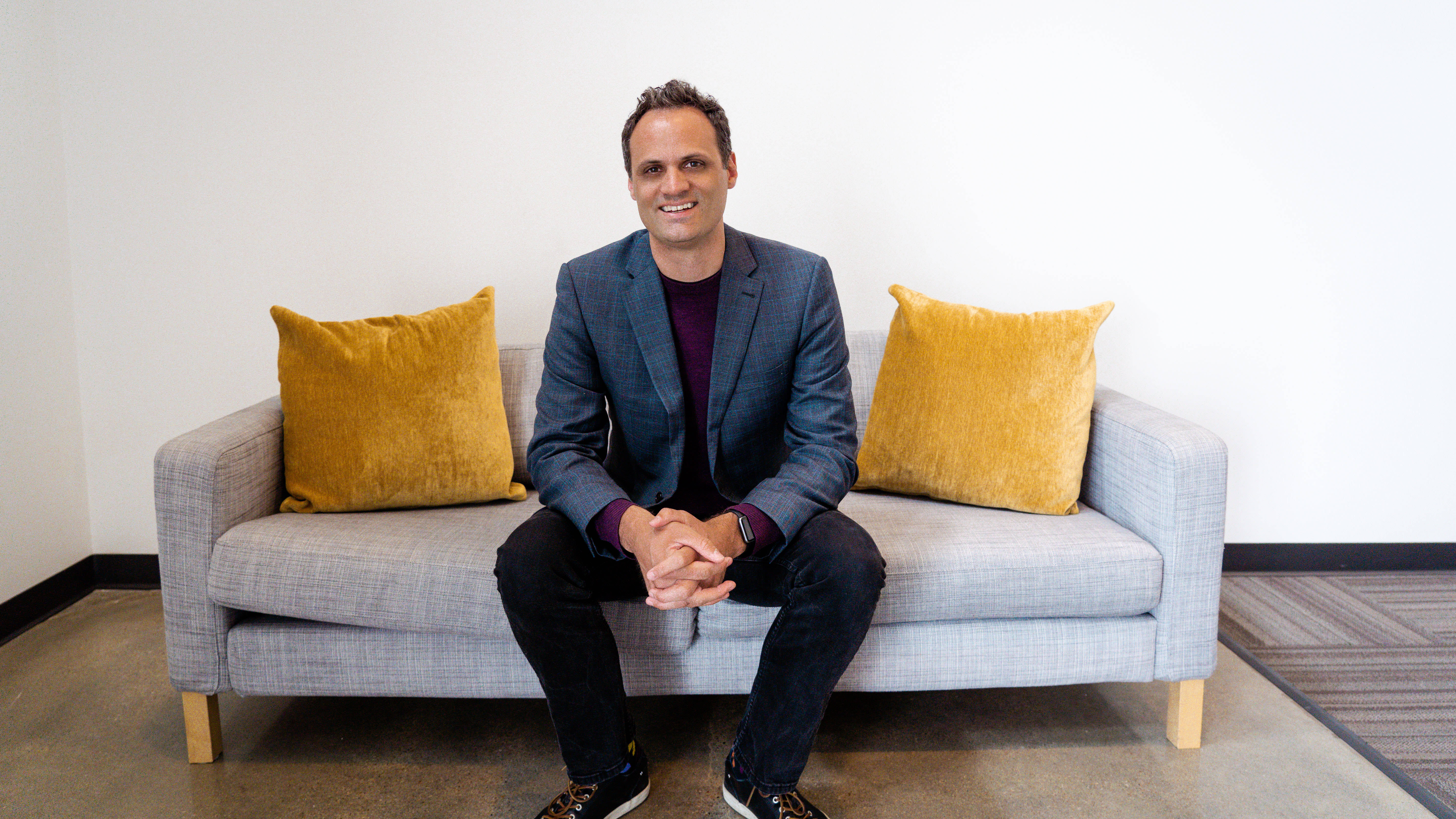
Jud Mackrill is the chief marketing officer for Carson Group. He is passionate about building digital strategies and powerful tools to enhance the lives of advisors to effectively grow their firms.
Read more articles by Jud Mackrill
 Advisor Perspectives welcomes guest contributions. The views presented here do not necessarily represent those of Advisor Perspectives.