Advisor Perspectives welcomes guest contributions. The views presented here do not necessarily represent those of Advisor Perspectives.
Short of losing a child, losing your spouse is the most painful event someone can experience. The sorrow is overwhelming and often times debilitating. It never goes away, but over time most people learn to peacefully co-exist with it.
My own experience becoming a widow
Unfortunately, major legal and financial decisions need to be made at a time when many people are incapable of making good decisions. Even folks who are financially sophisticated will forget to address an issue.
In my case, it was changing the names on the credit cards. My husband and I were in business together prior to his death. We reviewed our estate plan and made the necessary adjustments, transferred the ownership of the business to me along with the property we owned jointly. I thought we dotted every “i” and crossed every “t” until I needed to call a local department store. They closed the account because I wasn’t the primary card holder. I did get it reissued in my name, but not without a hassle.
Ideally couples come in for financial planning and, as a team, we choose the investments. Unfortunately, I have found more women have abdicated their financial responsibility than men. By that I mean they have chosen to let their husbands handle the investments and, in many cases, the day-to-day cash flow. In those situations, when the husband dies the women are panic stricken. Normally bright, sophisticated women become language impaired – they don’t process what you’re saying and can’t make a decision.
My background
Prior to coming into the investment business, I was one of the above-described women. I truly did not know that stocks went up and down nor did I know the difference between a stock, bond or mutual fund. I wasn’t stupid, just ignorant about finance. Growing up, my parents made it clear that I was going to college, but I needed a profession that I could fall back on in case my future husband couldn’t work. My career choices were limited to teaching, nursing or social work.
I wanted to be a lawyer but that wasn’t an option. Out of my three choices, teaching appealed to me the most. After college I went on for a masters degree in counseling and another in special needs. I taught math to language-impaired teenagers.
I use my educational background and skills a great deal in working with widows.
Many new widows had the same experiences I had, except I was fortunate enough to marry a financial planner. We were married a very short time when I told my husband I wanted him to introduce me to a planner that he trusted in case he died. I knew nothing about finance and it scared me. Like some of my contemporaries, I did know how to budget and thought the bank was my only investment option.
Most of the widows I work with were the primary caregiver for their spouse. Being a caregiver is an exhausting job physically, mentally and emotionally. When they walk into my office they are a wreck, can’t concentrate or process concepts and are often petrified.
How to help widows
It takes time, patience and empathy to work with these women. But for those who do, it’s extremely rewarding. Spend extra time with them. If they are existing clients reminisce with them. Don’t be afraid to talk about their husbands.
Most advisors are afraid to mention the deceased spouse because they think it will upset the survivor. The opposite is true. They like talking about their husbands and hearing stories about them. You haven’t upset them if they become teary eyed – just have a box of tissues handy.
What widows don’t want
The biggest complaint I hear from new potential widowed clients about their existing financial planner is that they are condescending and don’t listen. It’s the, “Don’t worry honey I’ll take care of you,” attitude. The women may be scared, confused and traumatized, but they are not stupid. It takes patience and real caring to work with these women.
They are not looking for a therapist or a support group – they probably have both. They are looking for someone who they feel will safely guide and educate them, is willing to explain the same thing several times and in different ways, recommends portfolio changes (when they’re ready) and involves them in the decision – someone who cares.
Gaining more widow clients
How do you find widowed clients? If you have one widowed client in your book of business, and you treat her well and help through the maze with dignity, she will tell all her friends. On the other hand, if she feels like she’s not being listened to or is being treated like an idiot, she’ll also tell all of her friends.
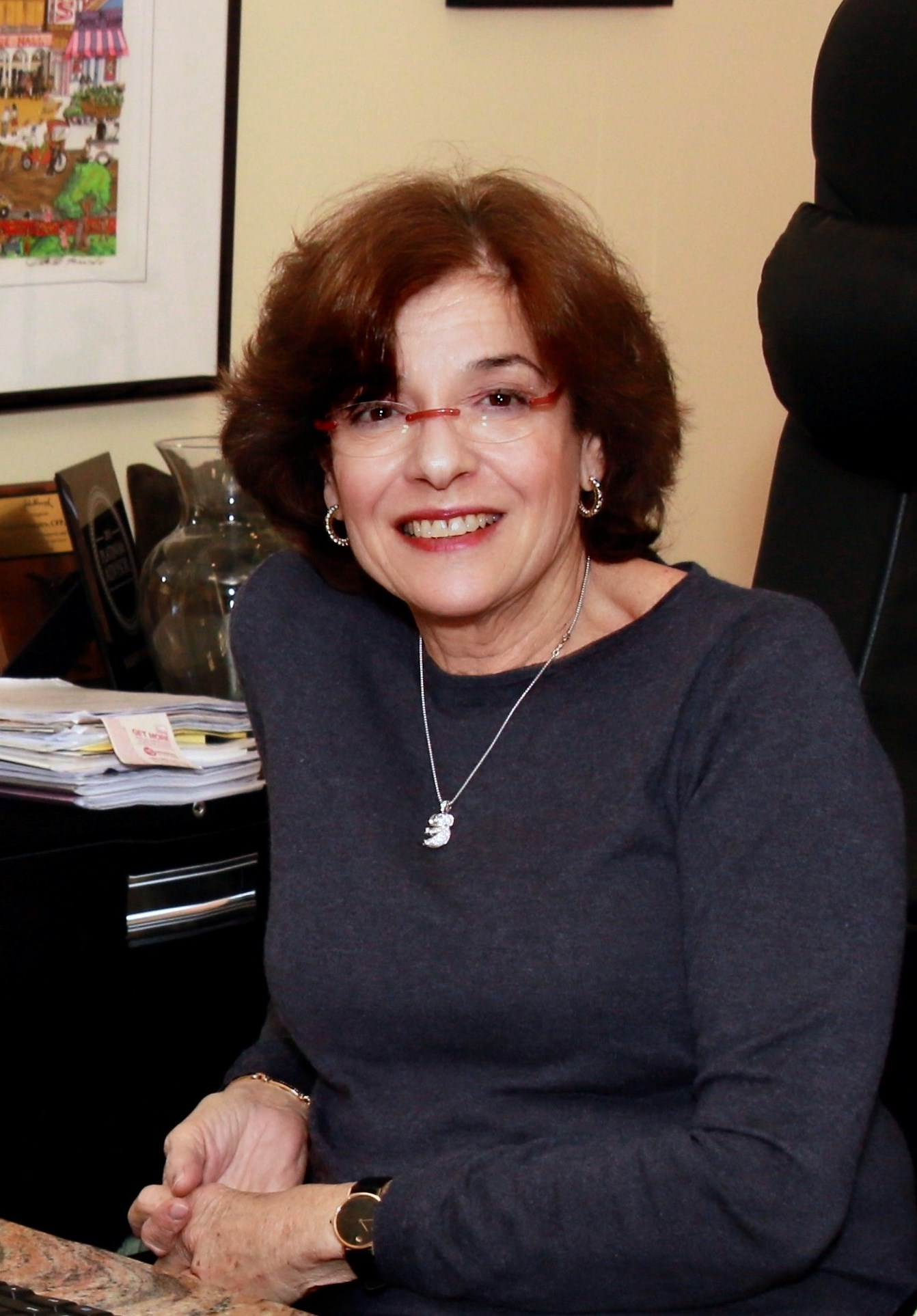
Barbara Shapiro is the president of HMS Financial Group located in Dedham, Massachusetts. She is a Certified Financial Transitionist (CeFT™), CFP®, Certified Divorce Financial Analyst and a member of the Financial Planning Association of Massachusetts. She is also co-author of, He Said: She Said: A Practical Guide to Finance and Money During Divorce. Her firm specializes in comprehensive financial planning with subspecialties in divorce and widowhood that assists clients’ transition from marriage to independence with peace of mind and confidence. Learn more at HMS-Financial.com.
Securities and Advisory Services offered through Cadaret, Grant & Co., Inc., a Registered Investment Advisor and Member FINRA/SIPC. HMS Financial Group and Cadaret, Grant & Co., Inc. are separate entities.
Read more articles by Barbara Shapiro
 Advisor Perspectives welcomes guest contributions. The views presented here do not necessarily represent those of Advisor Perspectives.