We understand that you can’t forecast the sequence of returns, but we CAN build a plan that survives a bad one. As Howard Marks puts it, you can’t predict, but you can prepare. These are the rules of engagement once you’ve crossed from saving into spending.
If you only looked at the price of gold in September, you’d be forgiven for believing the bull market had run out of steam. The yellow metal fell 6.3% during the month, and some in the financial press were quick to say it had failed as a safe haven.
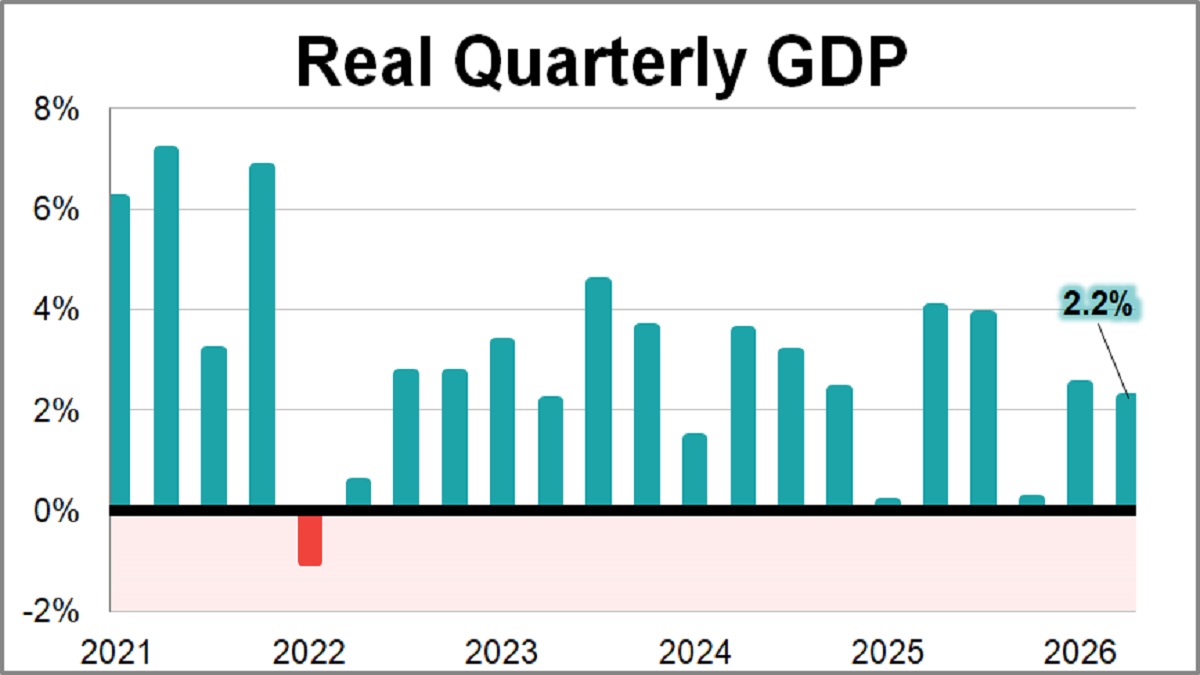
How’s the US economy doing in President Donald Trump’s second term? Going by the topline economic statistics, not too bad. Second-quarter gross domestic product was revised higher last week, to a 2.2% annualized rate from a previously reported 1.5%. At 4.2%, the jobless rate is consistent with an economy considered to be at full employment.
Today’s employment report reinforced a trend that has been evident across several labor market indicators: conditions in the goods-producing sector continue to improve after several difficult years, while hiring across the much larger service sector continues to soften.
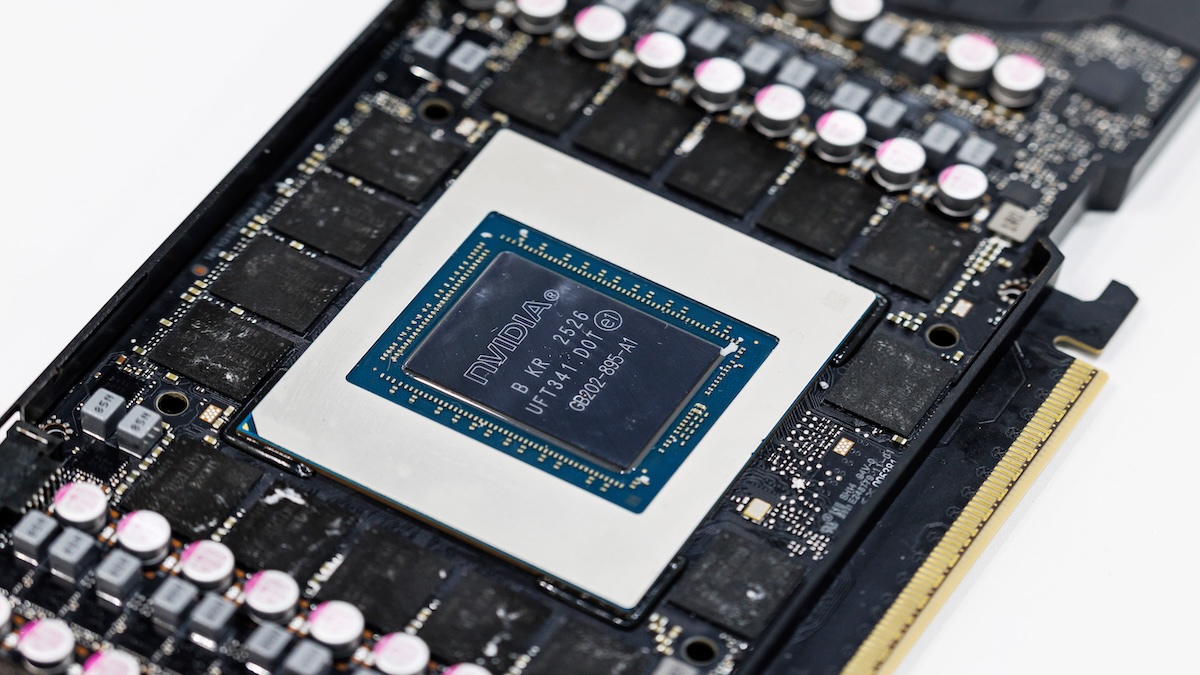
Nvidia Corp. is on the verge of becoming the first company with a $6 trillion market capitalization as investors rotate back into the artificial-intelligence chipmaker after a disappointing start to the year.
Paramount Skydance Corp. closed its $110 billion acquisition of Warner Bros. Discovery Inc. on Tuesday, completing one of the biggest media mergers of all time after engaging in a bruising battle for control with Netflix Inc. and fending off antitrust lawsuits.
Societal angst about AI continues to grow. Whether it’s concern about misalignment or potentially misdirected investment, the AI-may-be-bad narrative is gaining traction. In stark contrast, the AI trade in financial markets was alive and well in September of 2026.
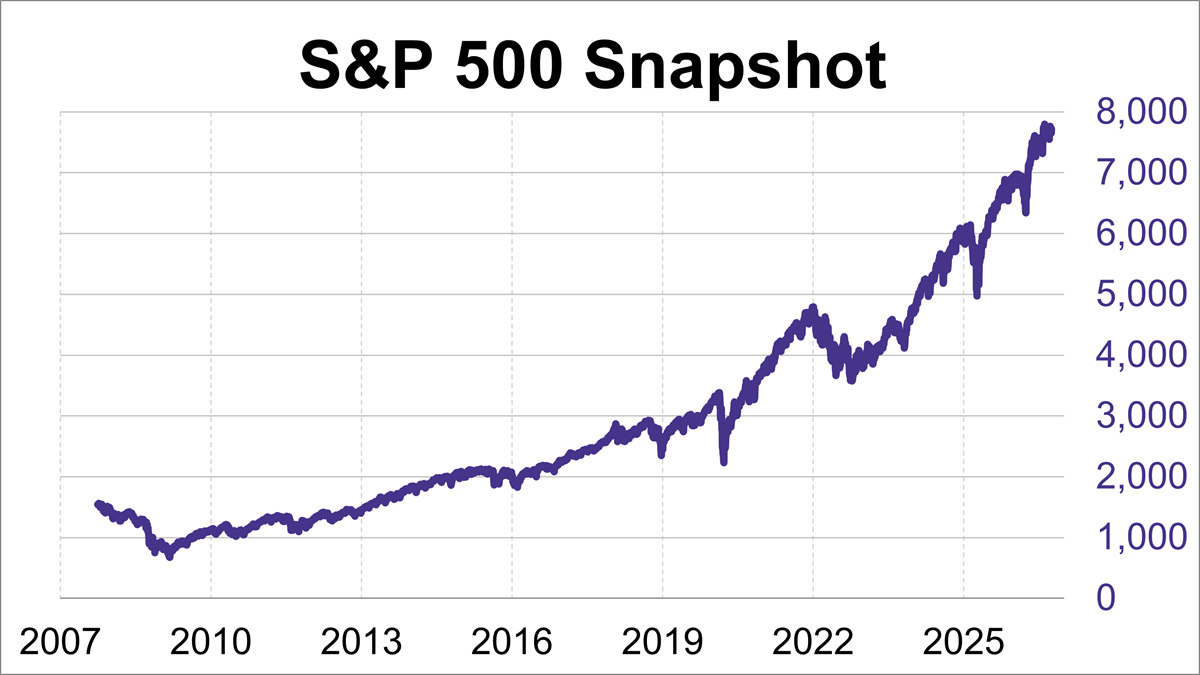
The S&P 500 rose 0.6%, reaching its first record high in two months, buoyed by resilient corporate profits and a pullback in oil prices.
Vigilante movies have always been popular with audiences. From Clint Eastwood (Dirty Harry) to Halle Berry (Catwoman) to Denzel Washington (The Equalizer), characters that take justice into their own hands when systems fail are seen as heroes.
Our real gross domestic product (GDP) forecast for 2026 is 2.5% (based on our Global Investment Management Survey) versus the Federal Reserve’s (Fed's) forecast of 2.2% and the Wall Street consensus of around 2%.
Global equities advanced in the third quarter as market returns broadened away from technology. But AI’s disruptive impact is spreading across sectors and industries—transforming the very nature of investment diversification.
How much one needs for retirement is both a mathematical and emotional equation to solve. For both my clients and myself, enough is never enough because we fear a stock market plunge, inflation, or both (stagflation). But these four practical uses of TIPS provide near certainty of having enough to enjoy the rest of one’s life. Rarely do math and emotion each arrive at the same solution.
Today, TINA logic is less compelling. Risk-free five-year and longer Treasury notes and bonds yield over 5%, and investment-grade corporate bonds yield even more. At the same time, stock valuations sit near record levels, implying weak forward returns. The acronym that best describes today's market is TIGA (there is a good alternative).
Wall Street has spent weeks trying to make peace with the great bond selloff. Friday offered some short-lived relief — along with a warning about the damage from stubbornly high yields across investment strategies of all stripes.
Oil fluctuated in jittery trading, as Saudi Arabia cut prices of its benchmark grade to Asia, the kingdom’s state producer warned about the risk of low stockpiles and as fighting in Yemen intensified.
Remember when near-zero interest rates squeezed retirees on fixed incomes and left pensions with huge shortfalls? I suspect they’re happy to see US interest rates returning to normal.
The bond market took center stage through September with inflation, oil supply chains and the Federal Reserve performing as an ensemble.
Neither a borrower nor a lender be,” wrote William Shakespeare, who was one of history’s greatest authors but obviously ill-versed in economics. Without lending or borrowing, our modern economic society wouldn’t grow very much, AI or not.
T. Rowe Price has announced the launch of the T. Rowe Price Dynamic Emerging Markets Bond ETF (TDEM) on the Nasdaq today, the company said.
Recent bond market repricing has pushed municipal yields to levels not seen in decades and improved the potential risk-reward profile for fixed income. Here, we examine why municipals stand out, how supportive credit fundamentals shape the opportunity and why investors may benefit from extending maturities to lock in attractive tax-exempt income.
The Fed’s latest 25 basis point hike might represent a recalibration rather than tightening. Instead of focusing on the next hike, investors should watch broader financial conditions and the long-term trajectory for interest rates.
The “price of happiness” chart came around again recently, and the number attached to it was as confident as ever. One widely shared version, built from a Remitly analysis, ranked 50 countries. The measure: how close the average wage gets to the income where happiness supposedly “plateaus.”
Today, we’re going to look at a lot of various data points and analysis, that when taken together give us a much clearer picture of the total world.
The S&P 500 wrapped up the week with a fractional loss of 0.3%, following a Jobs Friday rally.
Softer U.S. inflation and labor data as well as more cautious comments from Federal Reserve officials shifted the rates outlook this week.
Municipal bond asset managers are finding opportunities in the rout that tore through markets this month, with cheaper valuations and the highest yields in years drawing investors.
Fixed-income investors are being paid more to take risk than they have been in years, but not all opportunities are created equal. Higher yield levels, heightened volatility and growing differences across countries, sectors, industries and issuers are expanding the opportunity set. Dispersion is the raw material from which active returns are generated. Below are four ways investors can capitalize on it.
Midterm elections are increasingly taking over the headlines, and that includes coverage of markets. While inflation, rates, and geopolitics probably have more outright impact on portfolios, investors and market watchers still look to midterm elections as a major event.
The sell-off in U.S. Treasury (UST) yields has continued pretty much in an unabated fashion In fact, multi-year high watermarks are being achieved throughout the fixed coupon maturity curve. The most widely followed development was the UST 10-year yield rising to its highest level since 2007.
Markets await a possible Fed rate hike as Congress weighs Trump's dividend proposal, a limited fall session, and a Senate vote on crypto regulation.
AI could be a transformative force for the Fed’s policy framework. Elevated investment demand – now coupled with positive wealth effects that are necessitating tighter financial conditions – could eventually give way to a positive supply impact from higher productivity growth that could allow for easier financial conditions without inflationary implications.
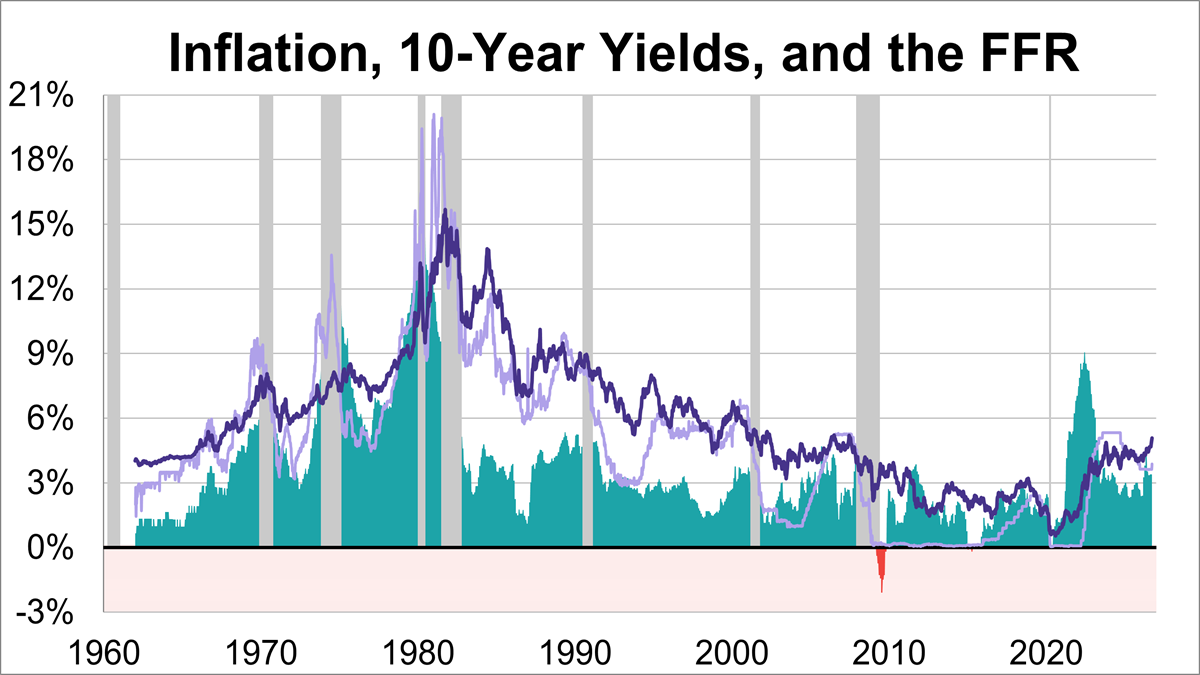
The 10-year Treasury yield has experienced dramatic fluctuations, ranging from a peak of 15.68% in October 1981, during the height of the Volcker era, to a historic low of 0.55% in August 2020, amidst the economic uncertainty of the pandemic. At the end of September 2026, the weekly average stood at 5.08%, the highest level since July 2007.
All eyes are on the macro economy. A significant market correction in late July triggered the abrupt collapse of Situational Awareness, L.P., a $45 billion, highly leveraged, AI-focused hedge fund. The collapse forced selling of many technology hardware stocks that were winners in the first half of 2026.
Treasuries might look cheap against stocks, GDP and the global cycle, but on their own historical terms they have more to fall before they become oversold and ready for a durable bounce.
Last week the S&P 500 rose 1.2 percent and the NASDAQ gained 2.1 percent, hitting a fresh record close earlier in the week, while the Russell 2000 fell 0.8 percent. The bigger story, however, was in rates. The 10-year Treasury yield pushed through 5.2 percent, its highest level since June 2006, and the two-year briefly topped 4.9 percent, its highest in over two years.
Assessing the wall of worry. Here, we assess the market's growing wall of worry, explain why these worries warrant attention, and justify our continued constructive intermediate-to-long-term stock market outlook.
Economic data from last week continued to paint a picture of a robust U.S. economy with an accelerating pace of growth. After a strong durable goods report showed business fixed investment continuing to rise on the back of ongoing AI data center buildouts, the Atlanta Fed’s GDP Now estimate for third-quarter real economic growth remained at an elevated 5 percent.
Globalization is being reorganized around security and resilience, creating uneven risks and opportunities across markets.
Yields have pushed higher with some points on the curve reaching yield levels not seen since the mid-2000s. While it is nearly impossible to pinpoint a specific catalyst for any move in the financial markets, below are a few of the factors that have helped push interest rates higher.
Higher-for-longer interest rates are forcing buyout firms to face facts. Struggling since 2023 to sell companies purchased in the long decade of ultra-cheap debt before the Covid pandemic, they’ve tried to placate investors with clever financial engineering to help keep some money turning over.
Across the world, nations are dealing with rising costs from energy and debt service. These costs are compounding as time goes on.
Given that the Federal Reserve raised interest rates earlier in September, inflation data that was already crucial has taken on a new meaning. These reports could now serve as a barometer for what is to come from the central bank.
The bond market has become the central story for investors. The remarkable development over the past several weeks is not rising inflation expectations but rising real interest rates. Real rates have increased roughly 40 basis points in just three weeks, one of the sharpest moves I can remember over such a short period. Meanwhile, longer-term inflation expectations have actually edged slightly lower.
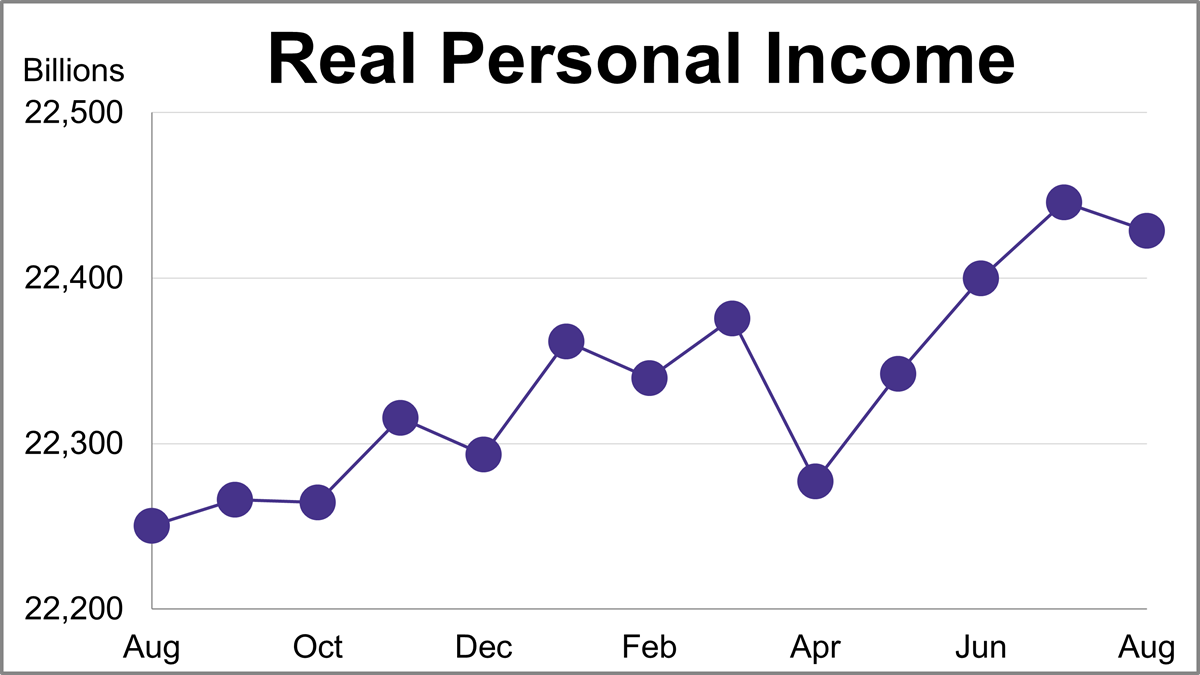
Personal income (excluding transfer receipts) was up 0.23% in August and was up 4.25% year-over-year. However, when adjusted for inflation using the BEA's PCE Price Index, real personal income (excluding transfer receipts) was down 0.08% month-over-month and up 0.80% year-over-year.
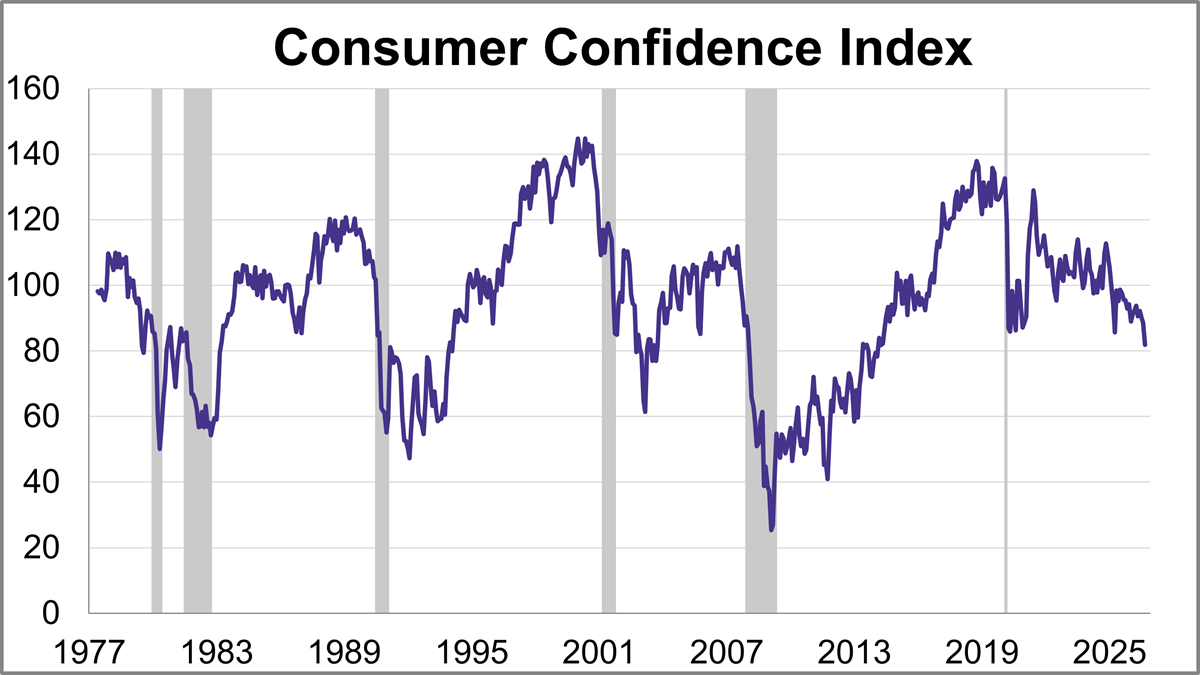
The Conference Board's Consumer Confidence Index® fell significantly more than expected in September, falling 6.7 points to 81.9. The index was far below the forecast of 89.2.
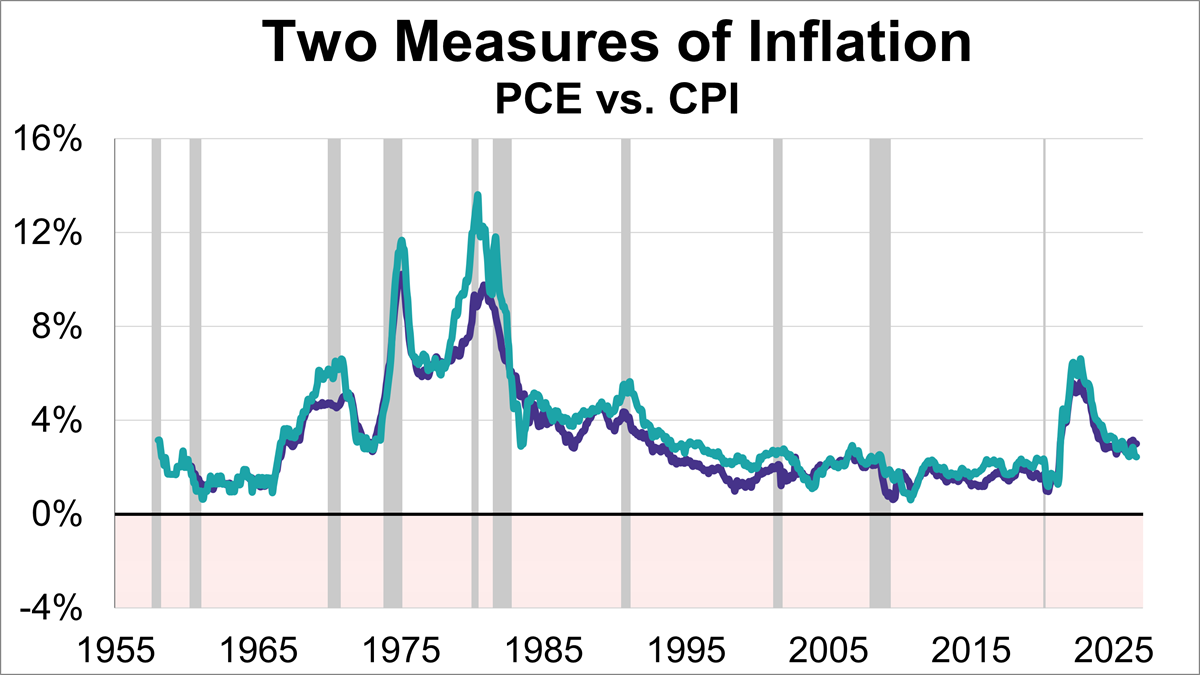
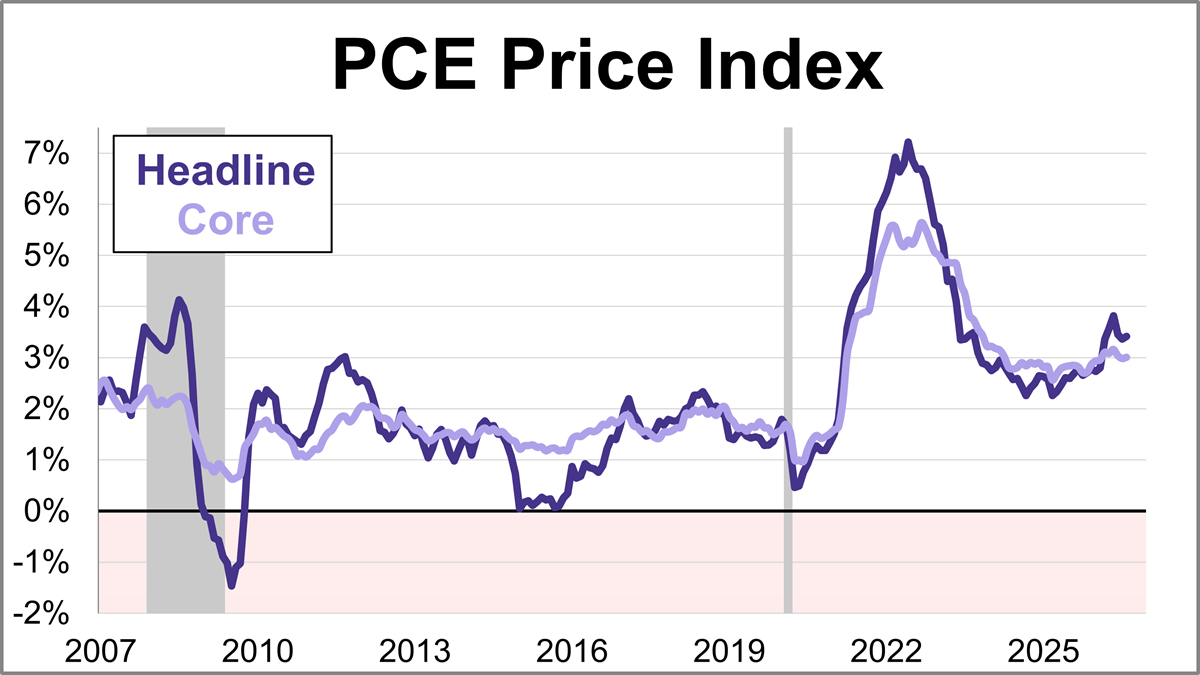
Inflation remains a hot topic, directly impacting everything from your grocery bill to interest rates. As of the latest data, two key inflation gauges — the Personal Consumption Expenditures (PCE) Price Index and the Consumer Price Index (CPI) — show that prices are still above the Federal Reserve's 2% target, with the core PCE at 3% and core CPI at 2.5%.
The Federal Reserve’s preferred inflation gauge, the core PCE price index, climbed 3% year-over-year in August. This marks no change from July's reading. On a monthly basis, core prices rose 0.2%.
Stock-market risks are everywhere. But you’d be hard pressed to tell anything was wrong by looking at the surface of major US equity gauges.
Has the stock market bubble quietly burst already? Even though the S&P 500 Index has mostly treaded water for the past four months, Wall Street analysts have continued to boost their earnings estimates.
Real GDP rose 2.2% in Q2 for the third estimate from the U.S. Bureau of Economic Analysis, which was a 0.7% increase from the previous Q2 advance and second estimates.